An Essay on Building a Career in the 21st-Century Music Industry
The purpose of this report is to explore the professional roles of a modern music creator, focusing on five key careers: composer, music producer, performer, sound designer, and independent label or creative director. Each of these positions represents a different aspect of the music industry, yet together they show how today’s creators must balance artistic, technical, and entrepreneurial skills.
A composer is a music professional who creates original works for concerts, films, television, video games, and other media. They develop musical ideas, write melodies and harmonies, and use both traditional notation and digital tools to produce their work. Through collaboration with performers and directors, composers help shape the emotional and narrative impact of a project. A music producer oversees the creation and recording of music by guiding the artistic and technical direction of a project. Producers help artists shape their sound, arrange songs, manage studio sessions, and ensure that each final track is polished and ready for commercial release. A performer presents music live or in recorded formats by singing, playing an instrument, or using other forms of musical expression. Performers interpret musical works, bring emotion and individuality to each performance, and connect audiences to the music across concerts, studios, theaters, and digital platforms. A sound designer creates and manipulates audio elements to enhance mood, atmosphere, and storytelling in film, games, theater, and digital media. Their work includes recording, editing, and processing sound effects, ambience, and synthesized audio to build immersive sonic environments. An independent label or creative director oversees the artistic vision and business operations of a small, non-major label. This role blends entrepreneurship with creative leadership, as directors guide branding, manage artists, coordinate music releases, and ensure that the label’s visuals and messaging align with its mission.
These roles are especially relevant in today’s modern music industry because they reflect the skills required to create and share music in a rapidly evolving technological environment. Composers provide original music for expanding media landscapes such as streaming services and video games. Producers drive the sonic identity of recordings using advanced digital tools. Performers reach audiences worldwide through concerts, streaming platforms, and social media. Sound designers have become crucial as immersive media such as gaming and virtual reality continue to grow. Independent creative directors help emerging artists build distinct identities outside major-label systems. Together, these jobs demonstrate how creativity, technology, and entrepreneurial thinking intersect in the contemporary music world.
Trent Reznor serves as a strong case study for these roles because his career shows how a single creator can operate successfully across multiple areas of the industry. Reznor has worked as a composer through his award-winning film scores, as a producer shaping the sound of Nine Inch Nails and other artists, and as a performer throughout decades of touring and recording. His career highlights the value of versatility and demonstrates how modern musicians often blend several roles to build sustainable and impactful careers.
In the modern music industry, careers can be broadly divided into creative and specialty roles, each requiring specific skills and offering unique opportunities. Creative careers focus on artistic expression and audience engagement. Producers shape the artistic and sonic direction of recordings. Advances in independent production and affordable home-studio technology allow producers to create professional-quality tracks without relying on major-label resources. Performers present music live or in studio settings, interpreting compositions and connecting directly with audiences. The growth of streaming platforms and specialty careers emphasize technical expertise and specialized knowledge. Composers create original music for film, television, video games, and other media. The development of digital scoring tools and virtual instruments has made composing for these media more accessible, enabling composers to work efficiently from personal studios and collaborate remotely. These categories illustrate how the modern music industry values both creative expression and technical specialization, giving professionals multiple avenues to build versatile and sustainable careers.
Career Role #1: Composer (Film, TV, and Media Music)
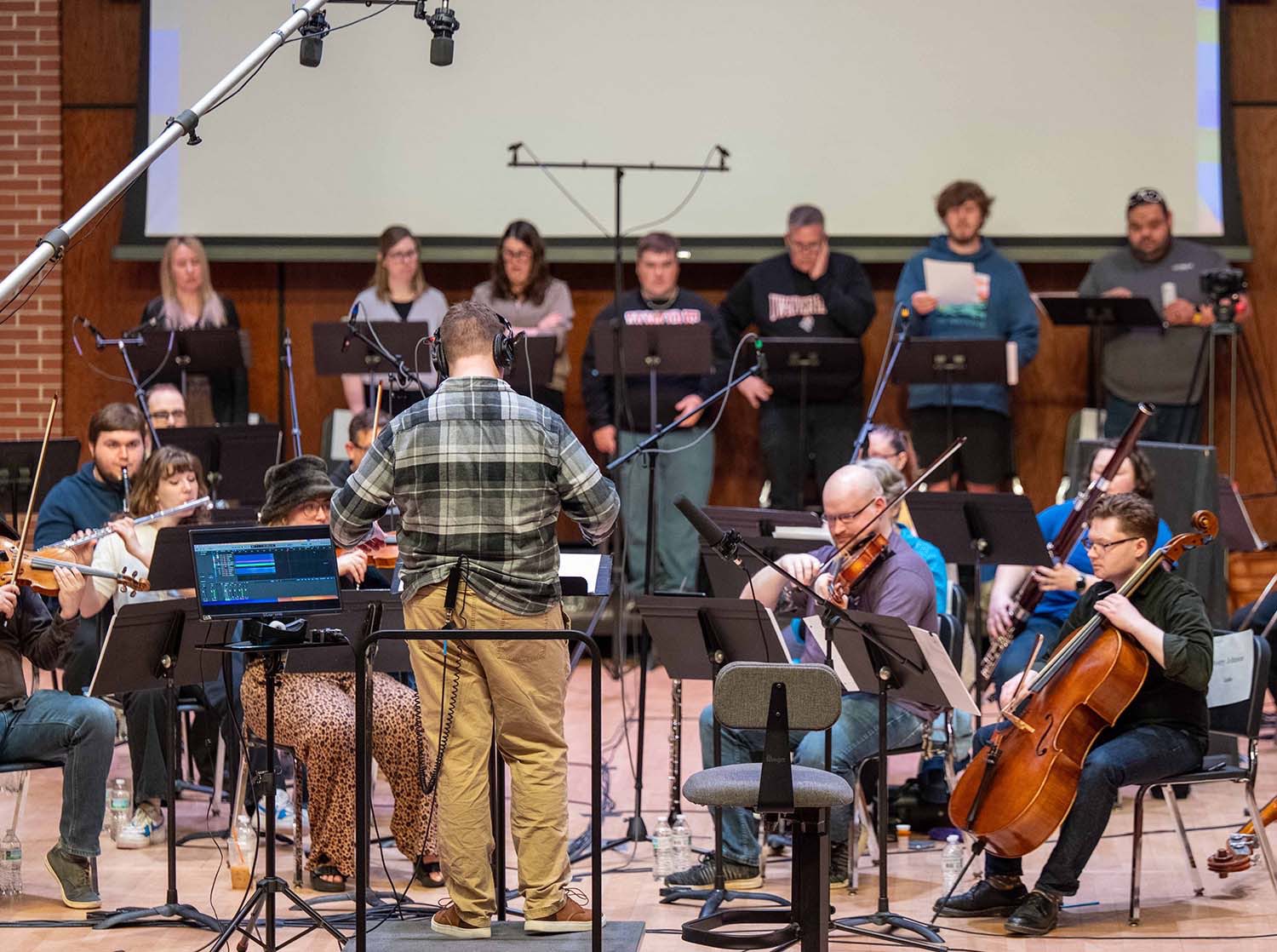
A composer in film, television, and media music is responsible for creating original music that enhances the emotional and narrative impact of a project. This work can involve writing entirely new compositions for orchestras, bands, or digital ensembles, arranging existing music into new forms, or collaborating with lyricists to develop songs. Composers often meet with musical groups, commissioners, or directors to discuss project requirements, study and listen to a variety of musical styles for inspiration, and work with musicians to record their music either in-person or remotely (U.S. Bureau of Labor Statistics, 2025).The role requires a strong foundation in music theory and orchestration, as well as proficiency in digital audio workstations (DAWs) and other modern production tools. Many composers pursue formal education in composition, music technology, or related fields, while also gaining experience through apprenticeships, private study, and hands-on projects. Work environments vary, ranging from film scoring studios and home or remote studios to contract-based projects for media companies, reflecting the flexible and collaborative nature of the career (U.S. Bureau of Labor Statistics, 2025).
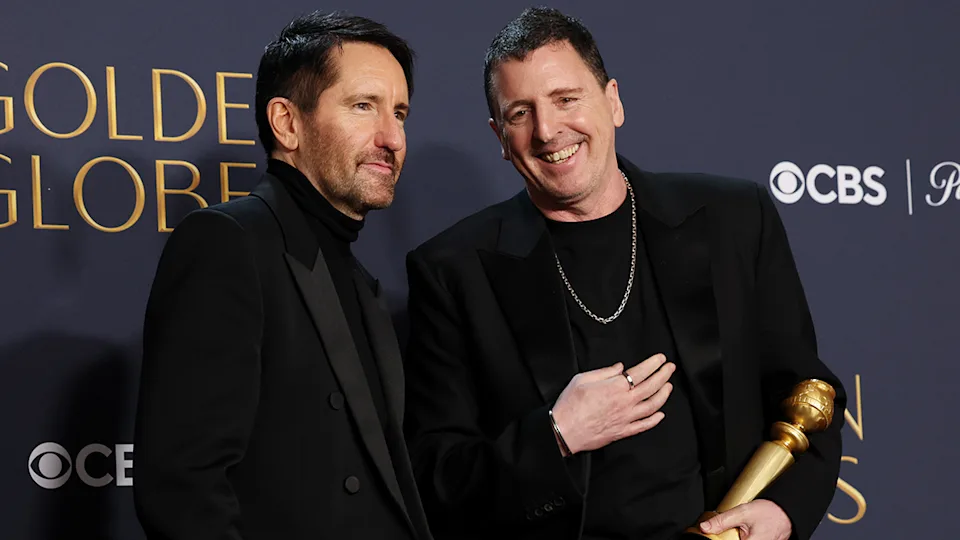
Trent Reznor’s collaboration with Atticus Ross provides a clear example of the modern composer’s role. Their award-winning scores, including the Academy Award-winning music for The Social Network, demonstrate how composers craft original music that supports storytelling, evokes emotion, and leaves a lasting impression. Reznor’s career highlights the combination of creativity, technical skill, and collaboration that defines success in film, television, and media composition.
Career Role #2: Music Producer
A music producer is responsible for overseeing the creation and recording of music, guiding both the artistic vision and technical execution of a project. Producers work closely with artists to shape the sound of recordings, arrange songs, manage studio sessions, and ensure the final tracks are polished and commercially ready (Berklee College of Music, n.d.). Key responsibilities of a music producer include arranging and recording music, mixing tracks, managing budgets, and using electronic production tools and sample libraries. Producers must have a keen ear for detail and nuance, while also demonstrating strong leadership, collaboration, and networking skills to coordinate effectively with artists, engineers, and other industry professionals.The role requires proficiency in audio technology, strong communication skills, and expertise in arranging and production techniques. Producers can work in traditional recording studios, home studios, or project management environments, reflecting the variety of settings in which music is created today (Berklee College of Music, n.d.). Trent Reznor exemplifies the music producer role through his work with Nine Inch Nails and other artists. His hands-on approach to arranging, recording, and mixing, combined with innovative use of electronic production and sample libraries, demonstrates how producers blend technical skill, creativity, and leadership to shape a distinct sound and bring musical projects to life.
Career Role #3: Performer / Recording Artist
A performer or recording artist is a musician who presents music live or in recorded formats, using singing, instrumental performance, or other musical expression to engage audiences. Performers may work in concerts, theater, studios, or digital platforms, and their work can include both live performance and recorded projects (U.S. Bureau of Labor Statistics, 2025; Baskerville, 2023).Revenue for performers comes from multiple sources, including touring, merchandise sales, recordings, and licensing of their music. This requires versatility, as artists often combine live and recorded work to maximize income and maintain career sustainability. Key competencies for performers include instrumental or vocal skill, stagecraft, and personal branding. Performers must be able to connect with audiences, interpret music with emotion and style, and adapt to different performance environments.
Trent Reznor’s role as the sole permanent member of Nine Inch Nails exemplifies the performer career path. He not only performs live and records music but also directs the presentation, style, and visual elements of the band’s shows, demonstrating how modern performers often combine artistry, technical skill, and entrepreneurial strategy to sustain a successful career.
Required Training and Education for These Careers
Careers in music creation, production, performance, and sound design require a combination of formal education, informal training, and ongoing skill development. Formal training routes often include degrees in music technology, composition, production, or music business, which provide foundational knowledge in theory, recording techniques, and industry practices. Informal and creative training is equally important. Many professionals develop their skills through independent practice, mastering digital audio workstations (DAWs), participating in apprenticeships, and experimenting with home or project studios. This hands-on experience allows musicians to adapt quickly to industry changes and develop a personal creative style. In today’s industry, multi-role competency has become essential. Musicians who can compose, produce, perform, and manage aspects of their projects have greater flexibility and income stability. This versatility enables professionals to work across multiple sectors, from media scoring to independent releases, and to respond to evolving trends in streaming, digital production, and live performance. Professional organizations and unions provide guidance, networking opportunities, and advocacy for musicians. Key organizations include the American Federation of Musicians (AFM), SAG-AFTRA, the Audio Engineering Society (AES), and the Society of Composers & Lyricists (SCL). As Baskerville notes, “unions and professional associations offer important protections, networking opportunities, and professional standards for musicians navigating a complex and changing industry” (Baskerville, 2023, p. 512).
Required Training and Education for These Careers
Careers in music creation, production, performance, and sound design require a combination of formal education, informal training, and ongoing skill development. Formal training routes often include degrees in music technology, composition, production, or music business, which provide foundational knowledge in theory, recording techniques, and industry practices. Informal and creative training is equally important. Many professionals develop their skills through independent practice, mastering digital audio workstations (DAWs), participating in apprenticeships, and experimenting with home or project studios. This hands-on experience allows musicians to adapt quickly to industry changes and develop a personal creative style.
In today’s industry, multi-role competency has become essential. Musicians who can compose, produce, perform, and manage aspects of their projects have greater flexibility and income stability. This versatility enables professionals to work across multiple sectors, from media scoring to independent releases, and to respond to evolving trends in streaming, digital production, and live performance.
Professional organizations and unions provide guidance, networking opportunities, and advocacy for musicians. Key organizations include the American Federation of Musicians (AFM), SAG-AFTRA, the Audio Engineering Society (AES), and the Society of Composers & Lyricists (SCL). As Baskerville notes, “unions and professional associations offer important protections, networking opportunities, and professional standards for musicians navigating a complex and changing industry” (Baskerville, 2023, p. 512).
Employment Outlook
The employment outlook for music careers varies by role and reflects both a competitive landscape and evolving opportunities in the industry. According to the U.S. Bureau of Labor Statistics (2025), composers and music directors are projected to experience employment growth of about 1% from 2022 to 2032, which is slower than the average for all occupations. Demand is driven primarily by the need for original music in film, television, video games, and online media, but the field remains highly competitive. Musicians and singers face similar challenges, with employment projected to decline by 1% over the same period. Factors such as economic fluctuations and the reliance on live performance income contribute to this modest outlook. In contrast, music producers are seeing increased opportunities due to the growth of independent production, streaming platforms, and digital media scoring. Producers are in demand to record, mix, and arrange music for both traditional studio environments and home or project studios, providing more flexible career options than in past decades (Zippia, 2025). Several industry trends are shaping employability across these careers. Remote work has expanded opportunities for composers, producers, and sound designers to collaborate across geographic boundaries. The growth of streaming services and digital media scoring has increased demand for original content, particularly for film, television, and video games. The reduction of major-label dominance has opened pathways for independent artists and producers to create and distribute music outside traditional industry structures. Finally, the rise of multi-skilled creators favors individuals who can compose, produce, perform, and manage projects, providing increased flexibility and income stability. These trends emphasize the importance of adaptability, technological proficiency, and diverse skill sets for sustaining a successful career in today’s music industry.
Income and Revenue Models
Income for music creators varies widely depending on their role, experience, and the types of projects they undertake. Composers earn revenue through contracts, performance royalties, and synchronization (sync) fees when their music is used in film, television, video games, or commercials. According to the U.S. Bureau of Labor Statistics (2025), these sources provide a mix of one-time payments and ongoing royalties, allowing composers to generate income from multiple projects over time. Music producers earn through fees for their production work, points on album sales, and publishing splits when they contribute to songwriting or composition. The expansion of independent production and digital distribution has created more opportunities for producers to negotiate flexible payment arrangements and profit from both traditional and digital sales (Zippia, 2025). Performers generate income through touring, merchandise sales, recordings, and licensing of their music. As the music industry has shifted toward streaming, performers often combine live performance income with digital revenue streams to maintain financial stability (U.S. Bureau of Labor Statistics, 2025). For all music creators, diversification across roles is a key strategy for increasing income stability. By combining composing, producing, performing, and managing independent projects, musicians can create multiple revenue streams. This approach ensures that if one area of work slows down, they still have other sources of income, which is increasingly important in the fluctuating and competitive modern music industry.
Case Study Summary: What Trent Reznor Demonstrates About These Careers
Trent Reznor’s career exemplifies how a single individual can successfully operate across multiple music roles, demonstrating the value of versatility in the modern industry. Reznor functions as a composer, producing award-winning film scores in collaboration with Atticus Ross; a producer, shaping the sound of Nine Inch Nails and other artists; and a performer, managing live shows and recordings as the sole permanent member of Nine Inch Nails (Wikipedia, 2025). His work illustrates the increasing relevance of multi-hyphenate careers, where musicians combine creative, technical, and business roles to adapt to a rapidly evolving music landscape.
Future music professionals can draw several lessons from Reznor’s career. He emphasizes the importance of branding, maintaining a consistent artistic identity across projects and media. He demonstrates the value of ownership, retaining control over his creative work and distribution, which allows for financial and artistic autonomy. His technological fluency—from digital audio workstations to innovative production techniques—shows how mastering modern tools can expand creative possibilities. Finally, Reznor’s career reflects the necessity of constant reinvention, as he continuously adapts to new media, audience expectations, and industry trends while remaining true to his artistic vision. Reznor’s example highlights how modern music creators benefit from being adaptable, multi-skilled, and entrepreneurial, combining artistry with technical expertise and strategic thinking to sustain long-term,
Conclusion
This report has examined the key roles of a modern music creator, including composer, music producer, performer, sound designer, and independent label or creative director. Each of these careers requires a combination of creative, technical, and business skills, reflecting the diverse ways music is created, produced, and shared in today’s industry.A central theme throughout these careers is the importance of versatility. Musicians who can perform multiple roles—composing, producing, performing, and managing creative projects—gain greater flexibility, resilience, and income stability. Trent Reznor’s career demonstrates how embracing a multi-hyphenate approach allows artists to adapt to industry changes, maintain control over their work, and continually innovate. For aspiring music professionals, these insights underscore the value of comprehensive training, developing strong branding, and pursuing both formal and informal learning opportunities can help musicians prepare for long-term career growth. Ultimately, success in the modern music industry depends not only on talent but also on adaptability, strategic thinking, and the ability to navigate a complex and rapidly evolving professional landscape.
Works Cited
Baskerville, David, et al. Music Business Handbook and Career Guide. 13th ed., SAGE, 2023.
“Music Directors and Composers.” U.S. Bureau of Labor Statistics, U.S. Bureau of Labor Statistics, 16 Sept. 2025, www.bls.gov/ooh/entertainment-and-sports/music-directors-and-composers.htm#tab-2.
“Music Producer.” Berklee, www.berklee.edu/careers/roles/music-producer. Accessed 18 Nov. 2025.
“Musicians and Singers.” U.S. Bureau of Labor Statistics, U.S. Bureau of Labor Statistics, 28 Aug. 2025, www.bls.gov/ooh/entertainment-and-sports/musicians-and-singers.htm.
“Music Producer Trends.” Zippia, www.zippia.com/music-producer-jobs/trends/. Accessed 15 Nov. 2025.
“Trent Reznor.” Wikipedia, Wikimedia Foundation, 15 Nov. 2025, en.wikipedia.org/wiki/Trent_Reznor.